‌‌‌‌

London Theatre Seating Plan Guide

Top shows across London's best theaters

London theater seating plan guide

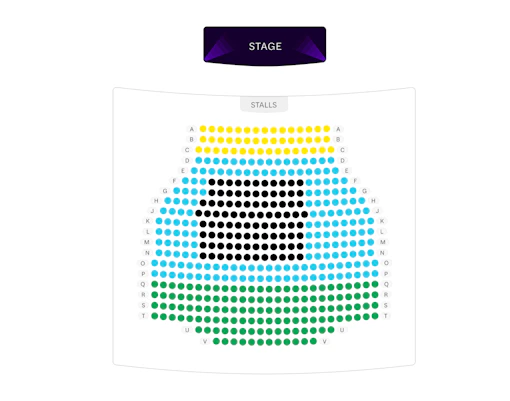
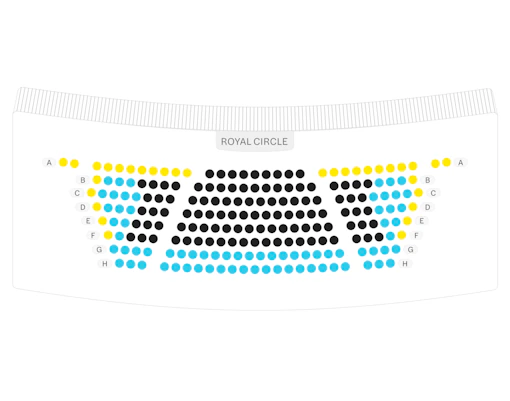
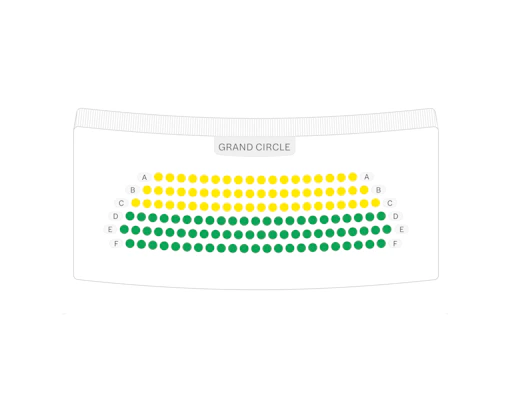
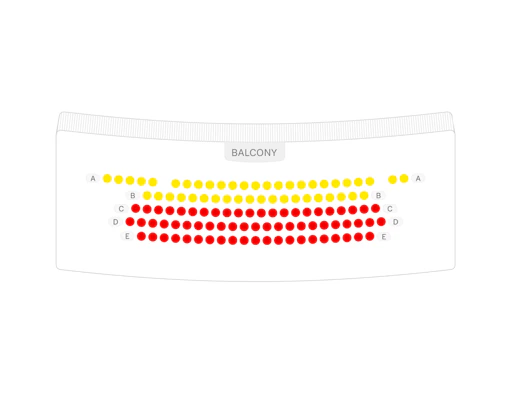
The seating arrangements in most London theatres are typically divided into 6 sections - each section with a different view, price, and certain pros and cons. Now let’s look at these theatre sections in more detail.

How to choose the best seats in London theaters? 

Finding the best seats in West End theaters

Top seats in London's West End

Across popular West End venues, the strongest views are usually found in the Stalls and Dress Circle. In many of these theatres, Stalls rows 6 to 8 strike the right balance between proximity and elevation, though exact row numbers vary depending on auditorium size. Below is a breakdown of seating sections based on common viewing preferences across London theatres.

Best value for money seats

Value-for-money seats are often located just outside the prime centre sections. At theaters like the Lyceum Theatre and Cambridge Theatre, late middle rows in the Stalls provide clear views once sightlines level out. Middle rows of the Mezzanine or the first rows of the Balcony, such as at the Apollo Theatre, also offer strong stage visibility at a lower price point.

Seats with the best legroom

Legroom tends to be most generous in the Stalls across venues such as the London Palladium, Adelphi Theatre, and London Coliseum. Aisle seats and front-row seats in any section offer additional space, which is especially noticeable in older West End theatres. These options are worth prioritising for longer musicals and operas.

Seats with the best view of the stage

The most reliable views usually come from central seating with some elevation. Middle Stalls at His Majesty’s Theatre and front Mezzanine seats at the Apollo Victoria Theatre offer excellent perspectives on both performance and staging. These areas work well for musicals and large-scale productions where full-stage visibility matters.

Premium seats

Premium seats are selected by each theatre and differ between venues such as the Royal Opera House, London Palladium, and Savoy Theatre. They are typically placed in prime central areas of the Stalls or Dress Circle and are clearly marked during booking. These seats combine strong sightlines with added comfort and higher pricing.

​Know more about London theaters
Accessibility seating in London theaters

London theaters take accessibility seriously, though facilities and layouts vary by venue due to building age and design. Historic theatres like the Adelphi Theatre and His Majesty’s Theatre have adapted older layouts with modern access features, while newer or extensively renovated venues such as the London Coliseum and Royal Opera House offer more built-in accessibility options. Checking the theater seating plan before booking helps identify the most suitable locations.

  • Wheelchair-accessible seating: Most West End theatres provide designated wheelchair spaces at Stalls level, often with companion seating nearby. Venues such as the Lyceum Theatre, Apollo Victoria Theatre, and London Palladium clearly mark wheelchair-accessible areas on their seating charts. These seats usually offer step-free access and unobstructed views of the stage.
  • Step-free access and lifts: Step-free access varies widely across London theatres. Larger venues like the London Coliseum and Royal Opera House are equipped with lifts to multiple seating levels, including Dress Circle and Upper Circle. Smaller historic theatres may limit step-free access to specific sections, making planning essential.
  • Accessible restrooms and facilities: Accessible restrooms are available in most major West End theatres, typically located on the same level as wheelchair seating. Theatres such as the Savoy Theatre and Cambridge Theatre have clearly signposted facilities, while others may require staff assistance to reach them. Front-of-house teams are trained to guide patrons as needed.
  • Support services and staff assistance: Many London theaters offer additional support, including hearing assistance systems, audio-described performances, and relaxed performances. Theatres like the National Theatre and London Palladium regularly host these show types. Staff members are generally available before the show and during intervals to assist with seating, access routes, and comfort.
‌
‌
‌
‌
‌

Frequently Asked Questions About London Theatre Seating Plans

Generally, Dress Circle or Stalls seats are preferred. However, every theatre in the London Theatre district is different, and choosing a seat also depends on whether you are watching a musical or play.