Save up to 57% with group discounts and get dedicated guest support.
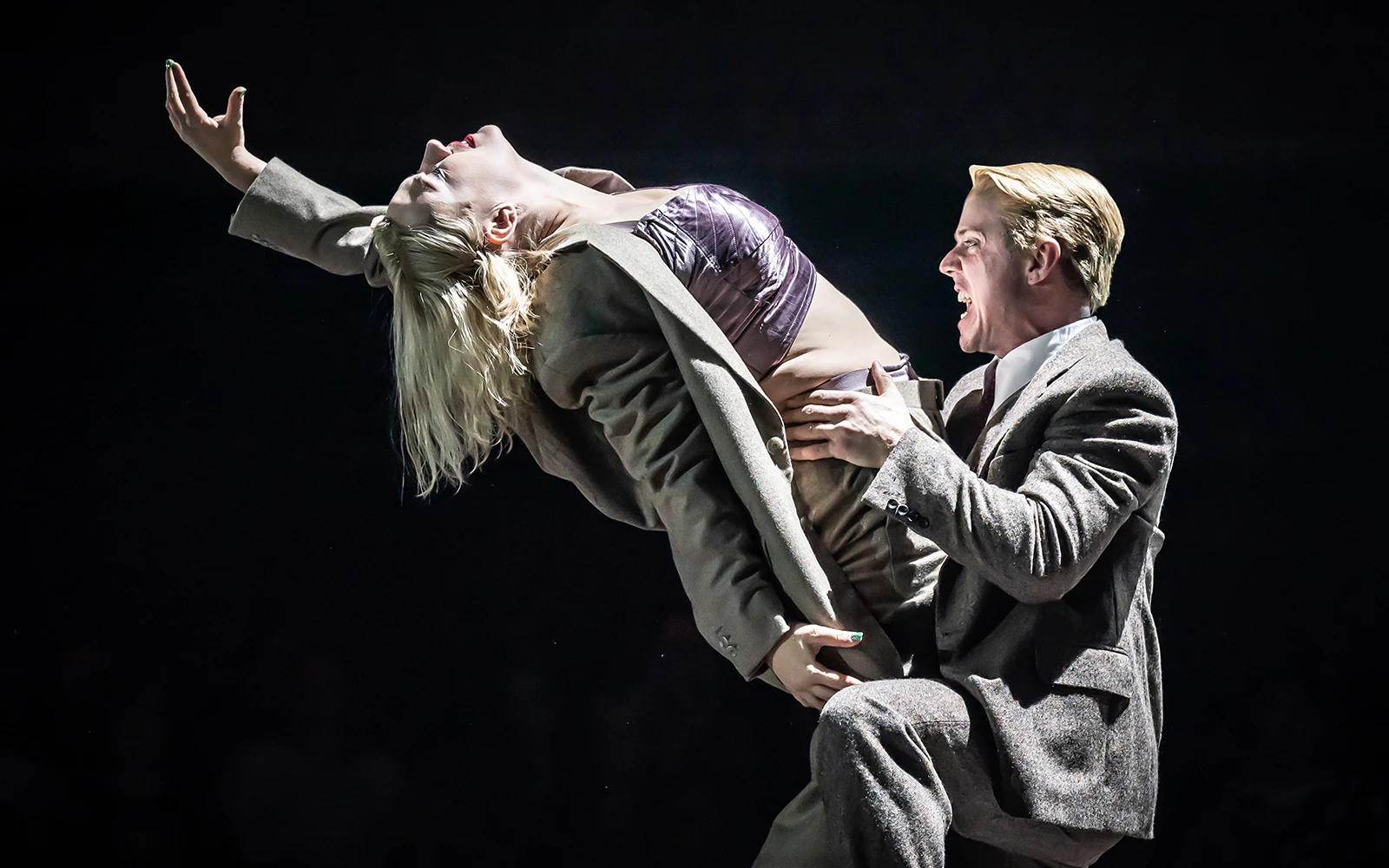
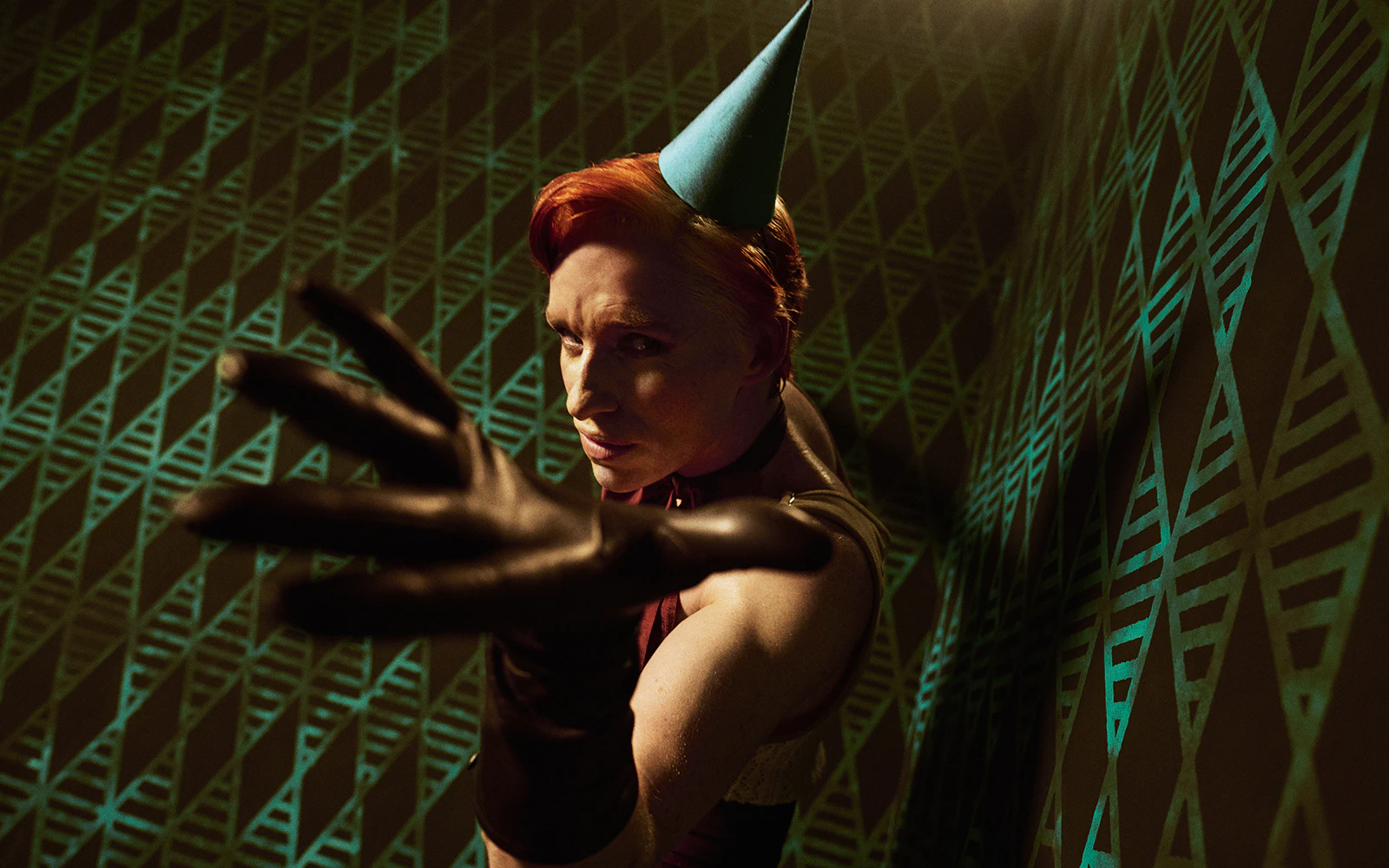
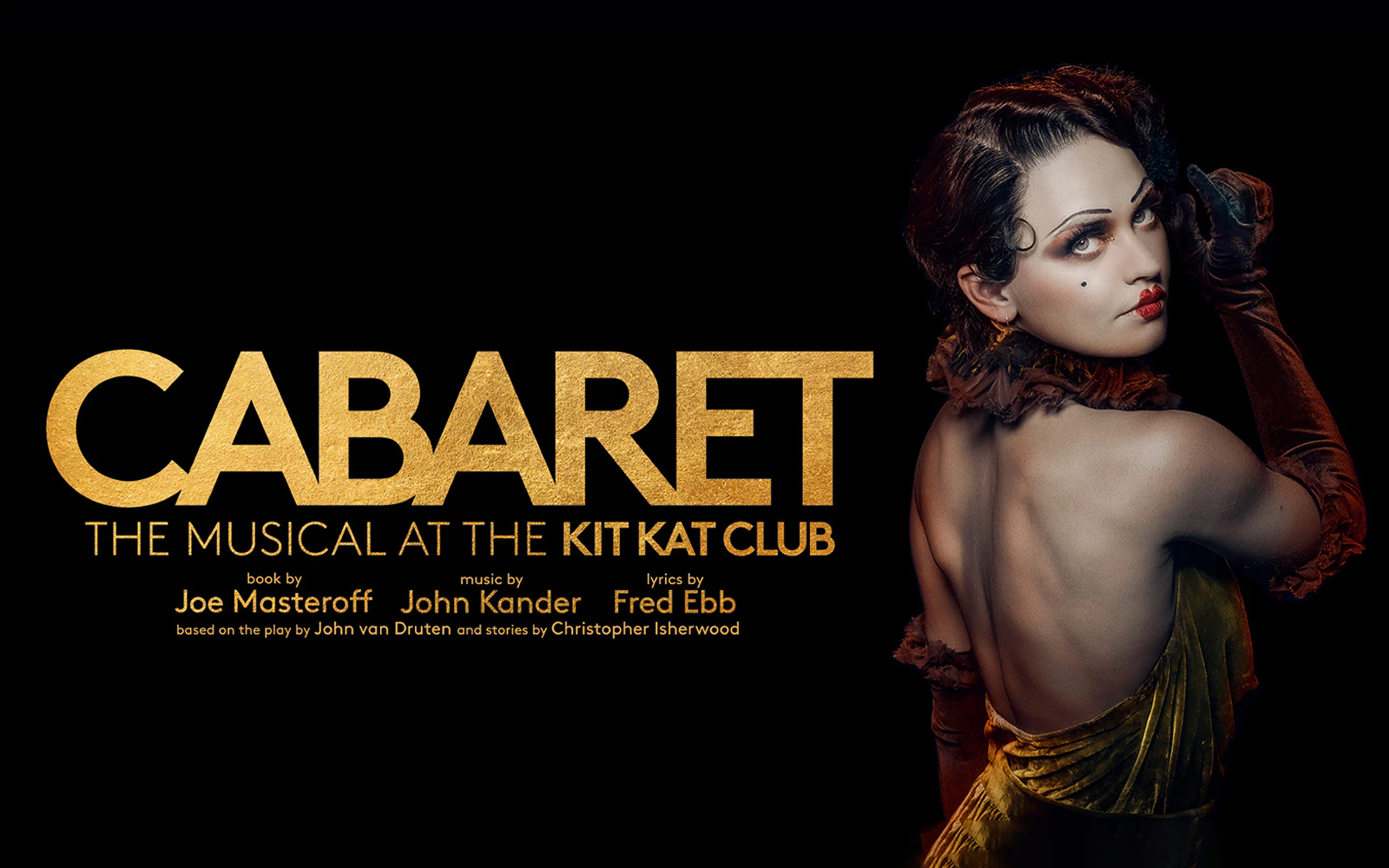
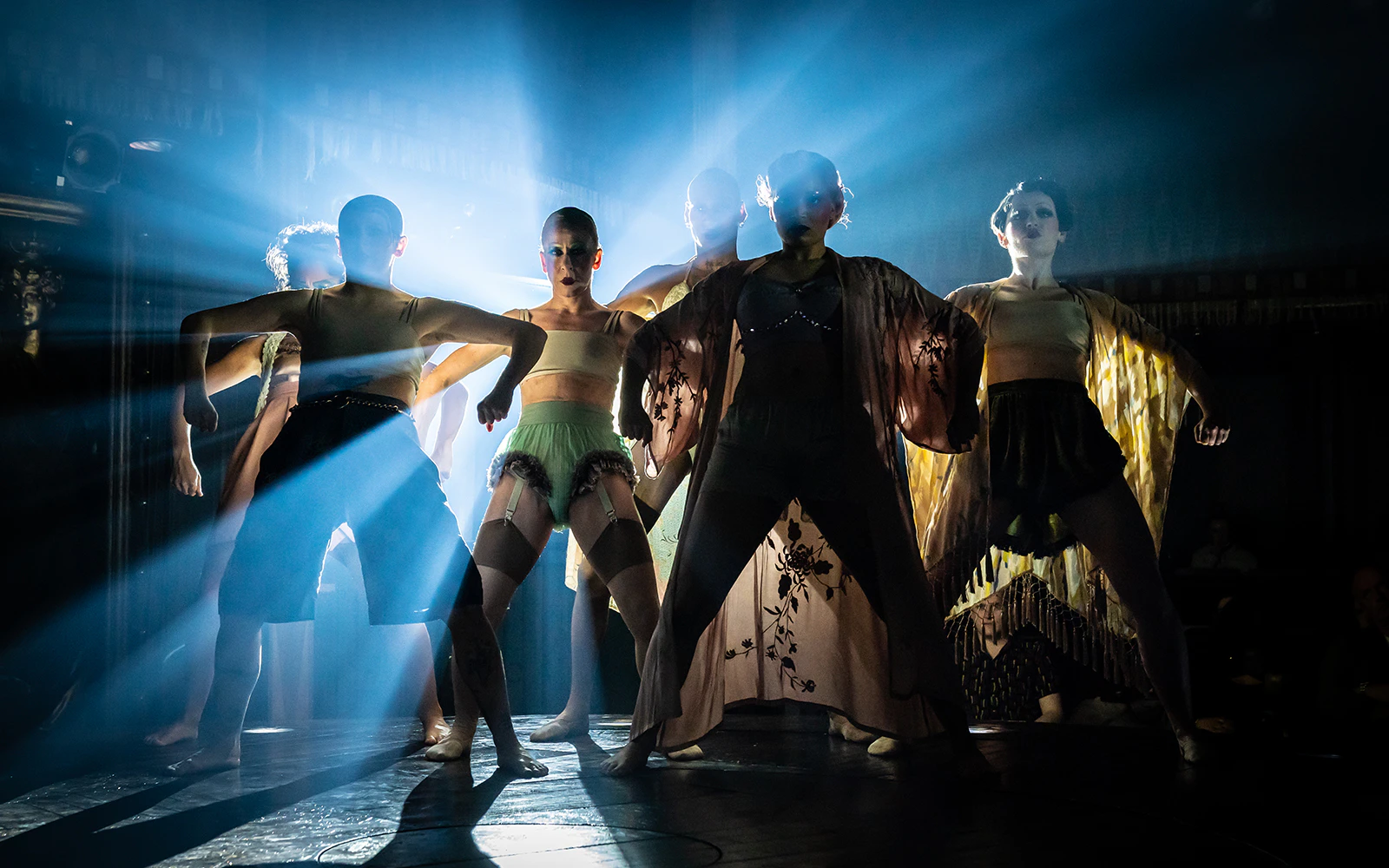
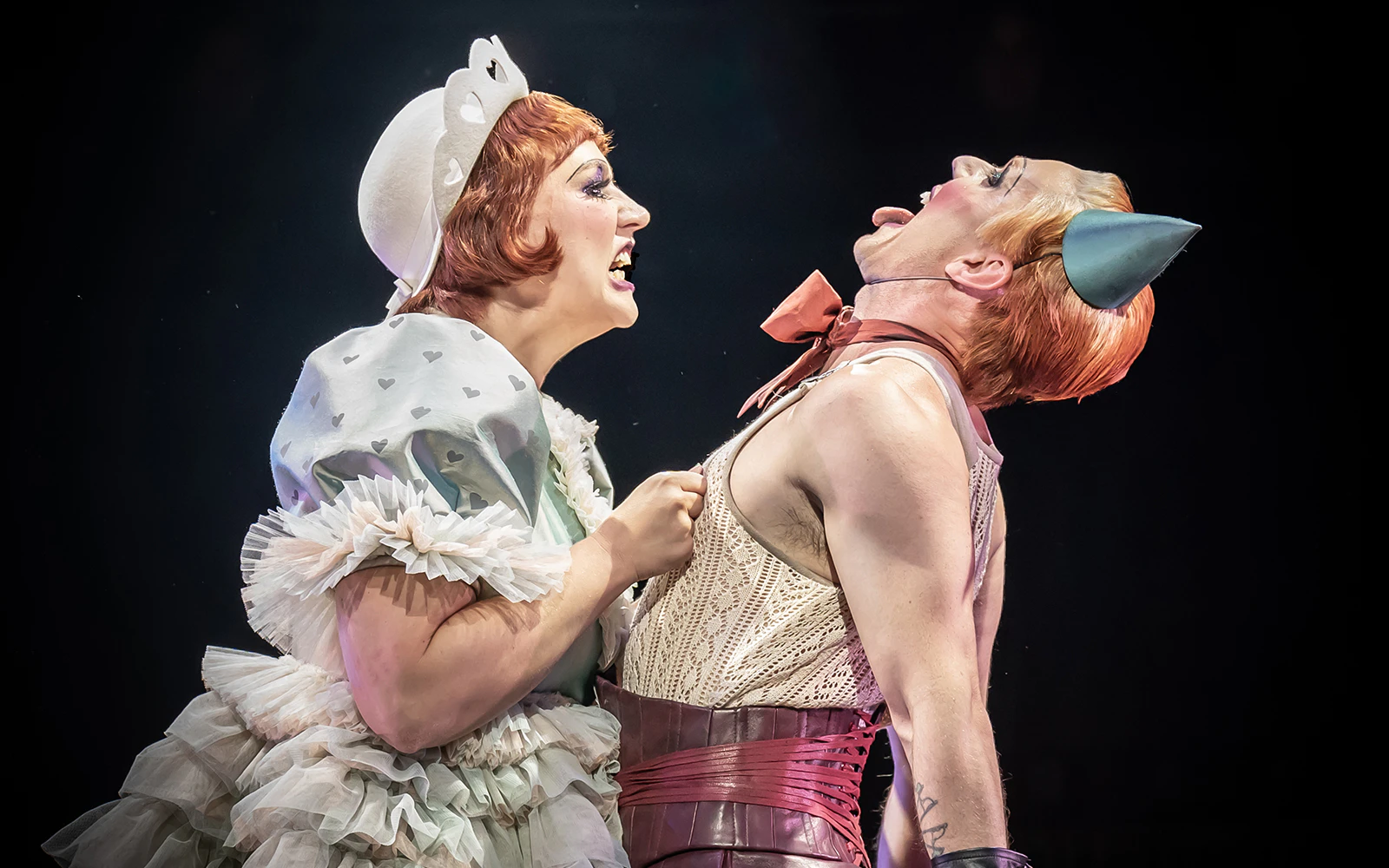
Set against the decadent yet menacing backdrop of 1920s-30s Berlin, this version of Cabaret centres on the seedy nightclub known as the Kit Kat Club, where lives intertwine amidst political upheaval. With music by John Kander, lyrics by Fred Ebb and a book by Joe Masteroff, the story unfolds through dazzling song, dance and atmosphere. The London revival was staged in the round at the Playhouse Theatre (now styled as the Kit Kat Club) under award-winning director Rebecca Frecknall, whose vision earned multiple Olivier Awards. The production offers bold staging, rich period detail, and a strong cast, making this a specialist evening out rather than a typical musical-comedy crowd-pleaser.

In Weimar-era Berlin, the nightclub world of the Kit Kat Club becomes a refuge for those seeking freedom in the face of rising authoritarianism. Young American writer Clifford Bradshaw arrives and becomes entwined with English cabaret singer Sally Bowles, while the club’s enigmatic Emcee guides the audience into the underbelly of nightlife and politics. As Cabaret London tickets open the door to this world, the characters flirt with escape even as a darker future looms, will the party last, or will external forces crash through the doors?
Show timings for Cabaret may vary every week. You can check the show timings for your preferred date at the next stage of booking.
Note: Producers cannot guarantee the appearance of any particular artist, which is always subject to illness and holidays.
Composed by John Kander with lyrics by Fred Ebb, Cabaret features one of the most distinctive songbooks in musical theatre. Expect unforgettable numbers like “Willkommen,” “Mein Herr,” “Maybe This Time,” “Money (Makes the World Go Round),” and the title track “Cabaret.”
Playhouse Theatre, reinterpreted as the Kit Kat Club for this production, sits on Northumberland Avenue in London’s West End. Opened in 1882 as the Royal Avenue Theatre, it hosted comic operas, farces and early works by George Bernard Shaw (his debut Arms and the Man ran here in 1894). Over the decades, it staged major revivals and new plays, including a run by the Royal Shakespeare Company and productions such as An Inspector Calls in 2001. For the current staging of Cabaret, the venue has been transformed into a Weimar-era nightclub setting built for immersion rather than traditional proscenium viewing.
The Kit Kat Club seating plan will help you find the best seats in the theater.
Available facilities: restrooms, cloakroom, Bar
Accessibility: wheelchair accessible, accessible restrooms, companion seating, step-free access, Wheelchair accessible
This was the most unique interpretation of Cabaret I’ve seen—and the one most true to the logic of the story itself. Visually, it was magical from the moment you entered through a backstage-style entrance that made the Kit Kat Club feel timeless and real, while the preshow klezmer beats growing louder and louder built thrilling anticipation. The direction constantly reframed familiar numbers in surprising ways: “Mein Herr” as an inner monologue, “Three Ladies” as a Dionysian free-for-all, and “Don’t Tell Mama” as something genuinely transgressive. Vocally the cast was stellar, Sally was perfectly imperfect, and the pacing stayed fast and fluid throughout. Stealing the show was the supporting actor playing Ernst, whose incongruous little giggle cracked us up every time. And the Act One ending, with the Emcee conducting the orchestra, was stunningly powerful. Highly, highly recommended for its direction, staging, atmosphere, and interpretation.
The London Cabaret experience was beyond anything we had even hoped for! The design of the Kit Cat Club annd the experience getting to our seat created an environment unlike any regular theater experience. The actors and dancers who performed before the play even started invited the audience to come along with them to the Kit Kat Club. The cast, choreography, showmanship, and script worked together to create an unforgettable story about what happened during the World War 2. It was one of the most creative and best theater experiences we have ever had.... and so relevant to what is happening in the world today. Kudos to all the creators of this experience!
Stunning theater with outstanding visuals the show was brilliant in the performance and sound the dancing (especialy the can-can ) was just so vibrant and colourful , it was worth the journey from Newcastle just to see this show .
The main characters were truly outstanding and had fabulous voices. This version of Cabaret was new to us and very different from the movie plot. The rotating stage was innovative. Overall it was well worth our time and money.
Incredible experience to be one with the Kit kat Club and live an evening in the middle of stunning performers. Exyceptional quality of performance, absolutely worth to be attended!
The cost of the tickets starts from £50 and will vary depending on the type of seats you choose.
The musical does have a strict age limit. However, it is not suitable for children aged below 13 years. This production contains adult content and the appearance of firearms on stage, plus infrequent, mild bad language. There is one sudden and unexpected loud noise that occurs near the beginning of Act 2.
The musical is playing at the Kit Kat Club in London.
The running time is 2 hours and 45 minutes with an intermission.
Q - What is Cabaret about?
- Cabaret is set in 1930s Berlin, as the city teeters on the edge of political collapse and the rise of the Nazi regime. Inside the decadent Kit Kat Club, English singer Sally Bowles and American writer Clifford Bradshaw escape reality through music, romance, and excess under the watchful eye of the enigmatic Emcee.
The score features timeless numbers such as “Willkommen,” “Don’t Tell Mama,” “Mein Herr,” “Maybe This Time,” “Money,” and the title song “Cabaret.” You can listen to the Cabaret playlist here.
Yes, the storyline draws from the novel Goodbye to Berlin by Christopher Isherwood, and the boarding-house setting echoes real-life themes of the collapsing Weimar Republic.